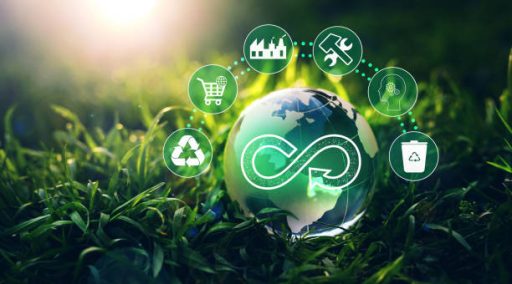
There was a time when "circular economy" sounded like a charity pitch. Today, in 2026, it sounds like a bankable strategy. The global circular economy market has crossed $2.7 trillion, growing at 8.2% annually. Europe's regulatory pressure is tightening. Consumers are done with greenwashing — they want proof. And investors? They're pouring capital into funds that specifically back waste-to-value models.
But here's the truth most articles won't tell you: not every circular business idea makes money. Some are beautiful concepts that bleed cash. Others are logistical nightmares disguised as sustainability.
This guide isn't a feel-good manifesto. It's a profit-and-loss analysis of ten circular business models that are actually working in 2026 — with real numbers, real timelines, and real advice on what not to do.
Why 2026 Is the Tipping Point
Before we dive into the models, let's look at why the window is wide open right now:
| Driver | What Changed in 2026 |
|---|---|
| Regulation | EU Corporate Sustainability Reporting Directive (CSRD) mandates circular metrics; fines for non-compliance are now enforced |
| Consumer behavior | 60% of European consumers actively prefer repair over replacement |
| B2B demand | ESG-linked procurement policies make circular suppliers a competitive advantage |
| Finance | Dedicated funds like the Circular Innovation Fund and Bpifrance's Green Loans are actively deploying capital |
| Technology | AI-powered logistics and blockchain traceability have slashed operational costs |
The circular economy in 2026 isn't a niche. It's infrastructure.
Model #1: B2B Reconditioned Equipment Marketplace
The Concept
You build an online platform where companies buy and sell refurbished professional equipment — office furniture, industrial tools, medical devices, IT hardware. Not consumer gadgets. B2B assets.
Why It Works in 2026
B2B e-commerce is growing twice as fast as B2C in Europe. Companies face ESG procurement pressure and need to cut capex. The average order value runs into the thousands, competition is still thin, and the buyer's remorse cycle is longer — meaning retention is natural.
| Advantage | Detail |
|---|---|
| High order values | €2,000–€50,000 per transaction |
| Low competition | B2B resale is still fragmented |
| Natural recurrence | Companies refresh equipment every 3–5 years |
| Add-on services | Leasing, maintenance, buy-back programs |
How to Start
- Pick a niche. Start with one category — say, office furniture for startups.
- Certify everything. Build a 20-point inspection protocol. Trust is your currency.
- Handle logistics. Partner with heavy-goods freight specialists.
- Layer in finance. Offer leasing or rent-to-own at checkout.
Startup cost: €5,000 – €20,000
Break-even: 18–24 months
Legal structure: SASU / LLC equivalent
Model #2: On-Demand Repair Network (The "Uber for Fixers")
The Concept
A platform connecting certified repair technicians with customers who need stuff fixed — appliances, electronics, bikes, furniture. Book online, repair at home or drop-off.
Why It Works in 2026
Over 60% of consumers now prefer repair over replacement. The "Repair Café" movement proved demand, but lacked scalability. In 2026, mobile tech and gig-economy logistics make the model finally viable.
| Advantage | Detail |
|---|---|
| Positive brand association | Aligns with Gen Z and Millennial values |
| No inventory risk | You don't own the broken goods |
| Scalable via partnerships | Retailers outsource warranty repairs to you |
| Community effect | Technicians become local ambassadors |
How to Start
- Recruit 10–20 technicians in one pilot city.
- Build a simple app — booking, quoting, tracking.
- Partner with retailers to handle out-of-warranty repairs.
- Add upselling: offer to upgrade or customize the repaired item.
Startup cost: €1,000 – €5,000
Break-even: 12–18 months
Legal structure: Sole trader / Freelance → LLC
Model #3: Upcycled Furniture Design Studio
The Concept
You transform construction waste, industrial scrap, and discarded pallets into high-end design furniture. Not craft-fair bricolage. Gallery-quality pieces with a story.
Why It Works in 2026
The eco-design furniture market is booming. Consumers want unique pieces. Corporates want offices that signal their ESG commitments. And the raw material — waste — is often free or negatively priced.
| Advantage | Detail |
|---|---|
| High margins | Design-upcycled pieces sell at 3–5x material cost |
| Powerful storytelling | Every piece has provenance: "This was a Bordeaux wine barrel" |
| B2B + B2C | Sell to homeowners AND to hotels, restaurants, co-working spaces |
| Social impact angle | Partner with workforce reintegration programs |
How to Start
- Source locally. Partner with demolition contractors, factories, and woodshops.
- Develop a signature aesthetic. Industrial, brutalist, minimalist — own a look.
- Sell through multiple channels. Etsy, design fairs, Instagram, B2B showrooms.
- Hire through social programs. Many countries subsidize wages for reintegration workers.
Startup cost: €500 – €3,000
Break-even: 6–12 months
Legal structure: Sole trader / Small LLC
Model #4: Peer-to-Peer Object Rental Platform
The Concept
A marketplace where people rent out rarely used items — power tools, camping gear, camera equipment, formal wear, party supplies. The stuff gathering dust in garages becomes income.
Why It Works in 2026
The access-over-ownership mindset has gone mainstream. Young consumers don't want to store a drill they use twice a year. Insurance and trust mechanisms (ratings, deposits) have matured enough to make the model frictionless.
| Advantage | Detail |
|---|---|
| No inventory | You don't own the assets |
| Passive income potential | Users manage their own listings |
| Strong local virality | Word-of-mouth within neighborhoods |
| Environmental + social | Reduces overproduction, democratizes access |
How to Start
- Start hyperlocal. One neighborhood, one city.
- Build trust. Integrated insurance, user ratings, deposit holds.
- Focus on high-value categories. Tools, sports, event equipment.
- Revenue model: 15–25% commission per rental.
Startup cost: €500 – €2,000
Break-even: 12–18 months
Legal structure: Sole trader / LLC
Model #5: B2B Electronics Reconditioning
The Concept
You buy used professional electronics — laptops, phones, tablets — recondition them, certify them, and resell them with warranty to SMEs, schools, and nonprofits. B2B, not B2C.
Why It Works in 2026
Back Market proved reconditioned consumer electronics is a mass market. But the B2B segment is still underserved. Companies buy IT in bulk, face ESG targets, and refresh on predictable cycles.
| Advantage | Detail |
|---|---|
| High average order | €500–€2,000 per workstation |
| Recurring demand | Refresh cycles every 3–5 years |
| Healthy margins | 30–50% margin on reconditioned units |
| Add-on services | Data wiping, maintenance, recycling of old units |
How to Start
- Source smart. Buy end-of-lease corporate fleets or lease returns.
- Build a workshop. Cleaning, testing, component replacement, cosmetic refurbishment.
- Certify rigorously. Minimum 1-year warranty, clear grading system.
- Sell B2B. Direct outreach, online platform, reseller partnerships.
Startup cost: €2,000 – €8,000
Break-even: 12–18 months
Legal structure: LLC / Small corporation
Model #6: Circular Economy Consulting for SMEs
The Concept
You help companies transition to circular models — waste audits, supply chain redesign, eco-design, CSRD compliance, and circular procurement strategy.
Why It Works in 2026
CSRD reporting is now mandatory. ESG funds demand circular metrics. Most SMEs know they need to act but have no idea how. They'll pay for clarity.
| Advantage | Detail |
|---|---|
| High day rates | €800–€2,000/day for experienced consultants |
| Expanding market | Every industry is affected |
| Retention potential | Annual follow-up contracts |
| Measurable impact | Concrete results = strong case studies |
How to Start
- Specialize. Pick one sector (textile, construction, food) or one theme (eco-design, reverse logistics).
- Get certified. Life-cycle assessment, circular economy credentials, ISO standards.
- Land first clients. Use your network, offer a subsidized pilot for portfolio building.
- Productize. Sell diagnostic audits, online training, and self-assessment tools.
Startup cost: €0 – €3,000
Break-even: 3–6 months
Legal structure: Freelance / Consulting LLC
Model #7: Zero-Waste Subscription Box
The Concept
A monthly curated box of zero-waste products — solid cosmetics, reusable kitchenware, eco-cleaning refills, bulk pantry staples. All plastic-free, all compostable packaging.
Why It Works in 2026
Zero-waste has shifted from sacrifice to lifestyle. Consumers want curation, not just products. The subscription model creates predictable revenue and deepens customer relationships.
| Advantage | Detail |
|---|---|
| Recurring revenue | Monthly recurring revenue (MRR) is predictable |
| Engaged community | Subscribers become brand evangelists |
| High product margins | Zero-waste goods carry 40–60% margins |
| Rich data | You know exactly what each customer prefers |
How to Start
- Curate ruthlessly. 4–6 products per box, themed monthly (kitchen, bathroom, office).
- Source local. Partner with local eco-brands and artisans.
- Personalize. Onboarding quiz to tailor the box.
- Layer in content. Blog, newsletter, community forum to reduce churn.
Startup cost: €3,000 – €10,000
Break-even: 12–18 months
Legal structure: LLC / Small corporation
Model #8: Upcycled Food Products
The Concept
You collect food surplus or by-products from producers, distributors, and restaurants — then transform them into new consumer goods: spreads, soups, beers, natural cosmetics, compost.
Why It Works in 2026
Food waste is a top-tier societal issue. Consumers are sensitized. Businesses need solutions for their surplus. And upcycled food products have a story that sells.
| Advantage | Detail |
|---|---|
| Near-free raw materials | Surplus food has negative value to producers |
| Strong brand story | "Save the planet one bite at a time" |
| Short supply chains | Local partnerships, low transport costs |
| Infinite product innovation | Fermentation, dehydration, distillation |
How to Start
- Secure collection partnerships. With local farms, supermarkets, markets.
- Build a small processing unit. Kitchen, lab, or micro-brewery depending on product.
- Sell direct first. Markets, zero-waste shops, subscription.
- Comply strictly. Food safety and traceability are non-negotiable.
Startup cost: €5,000 – €20,000
Break-even: 12–24 months
Legal structure: LLC / Food business corporation
Model #9: Textile Waste Insulation for Construction
The Concept
You collect used clothing, textile industrial scraps, and denim waste — then process them into eco-insulation materials for building and renovation: cotton wool, compressed textile panels, cellulose fiber.
Why It Works in 2026
Energy renovation is a national priority across Europe. Traditional insulation (glass wool, polystyrene) is toxic and polluting. Bio-based alternatives are in high demand. And textile waste is abundant — France alone produces 700,000 tonnes annually.
| Advantage | Detail |
|---|---|
| Abundant raw material | Textile waste is plentiful and often free |
| Growing market | Energy renovation is subsidized and mandatory |
| Technical performance | Textile insulation matches traditional materials |
| Social impact | Low-skill labor can be hired through social programs |
How to Start
- Collect. Partner with textile collectors, fashion factories, and retailers.
- Process. Shredding, treatment, panel manufacturing.
- Certify. Thermal performance testing, bio-sourced labeling.
- Sell B2B. Builders, architects, property developers.
Startup cost: €10,000 – €50,000
Break-even: 18–36 months
Legal structure: LLC / Corporation
Model #10: Hyperlocal Gift-and-Take Platform
The Concept
A geolocated app where people give away items for free — furniture, appliances, clothes, books — to neighbors nearby. No selling, no swapping. Pure giving, with location mapping and user ratings.
Why It Works in 2026
The "give away" model has proven traction (Geev reached 2 million users in France). But most platforms are national and impersonal. A hyperlocal, community-driven version with pickup logistics and trust scoring can dominate locally.
| Advantage | Detail |
|---|---|
| Zero inventory | You connect, you don't hold |
| Natural virality | Giving creates social bonds; users invite friends |
| Local data goldmine | You understand waste flows by territory |
| Service upsells | Home pickup, upcycling partnerships, resale of unclaimed items |
How to Start
- Start tiny. One neighborhood, one city block.
- Simple mobile app. Geolocation, in-app messaging, rating system.
- Freemium model. Free to give; paid features for promoted listings or home pickup.
- Partner with municipalities. They fund waste reduction; you provide the data.
Startup cost: €500 – €5,000
Break-even: 18–24 months
Legal structure: Freelance / LLC
Comparative Matrix: All 10 Models at a Glance
| # | Model | Startup Cost | Break-Even | Difficulty | Potential |
|---|---|---|---|---|---|
| 1 | B2B Reconditioned Marketplace | €5K–€20K | 18–24 mo | ⭐⭐⭐⭐ | ⭐⭐⭐⭐⭐ |
| 2 | On-Demand Repair Network | €1K–€5K | 12–18 mo | ⭐⭐⭐ | ⭐⭐⭐⭐ |
| 3 | Upcycled Furniture Studio | €500–€3K | 6–12 mo | ⭐⭐⭐ | ⭐⭐⭐⭐ |
| 4 | Peer-to-Peer Rental | €500–€2K | 12–18 mo | ⭐⭐ | ⭐⭐⭐⭐ |
| 5 | B2B Electronics Reconditioning | €2K–€8K | 12–18 mo | ⭐⭐⭐⭐ | ⭐⭐⭐⭐⭐ |
| 6 | Circular Consulting | €0–€3K | 3–6 mo | ⭐⭐ | ⭐⭐⭐⭐ |
| 7 | Zero-Waste Subscription Box | €3K–€10K | 12–18 mo | ⭐⭐⭐ | ⭐⭐⭐⭐ |
| 8 | Upcycled Food Products | €5K–€20K | 12–24 mo | ⭐⭐⭐⭐ | ⭐⭐⭐⭐⭐ |
| 9 | Textile Waste Insulation | €10K–€50K | 18–36 mo | ⭐⭐⭐⭐⭐ | ⭐⭐⭐⭐⭐ |
| 10 | Hyperlocal Gift Platform | €500–€5K | 18–24 mo | ⭐⭐⭐ | ⭐⭐⭐ |
Funding Available in 2026
Circular businesses aren't just ethical — they're actively funded:
| Program | Description | Amount |
|---|---|---|
| Bpifrance Green Loan | Unsecured financing for green projects | Up to €5M |
| ADEME ORMAT Fund | Support for recycled material integration | Project-based |
| Circular Innovation Fund | Venture capital for circular scale-ups | Series A–B |
| Initiative France Honor Loan | Zero-interest startup loans | Up to €25K |
| Regional Green Grants | Subsidies for eco-enterprises | Varies |
Fatal Mistakes to Avoid
| Mistake | Why It Kills You | The Fix |
|---|---|---|
| Trying to save the world without a business model | Impact doesn't pay rent | Define revenue before mission |
| Underestimating logistics | Transport is the hidden cost killer | Model logistics costs before pricing |
| Skipping certification | Without labels, you're not credible | Invest in certifications early |
| Targeting "everyone" | "Eco-friendly" is not a customer segment | Define your ideal client precisely |
| Ignoring regulation | Environmental law evolves fast | Monitor CSRD, RE2020, and EPR schemes |
How to Pick the Right Model for You
Ask yourself these four questions before you commit:
- What is your core skill? Technical, sales, digital, artisanal?
- What capital do you have? Time, money, network?
- What payback period can you handle? 6 months or 3 years?
- What impact do you want to measure? Tons diverted, jobs created, CO2 saved?
The best circular business is the one that sits at the intersection of your passion, your competence, and a real problem you know how to solve.
The Bottom Line
The circular economy in 2026 is a $2.7 trillion market growing at 8.2% annually, backed by regulation, funded by dedicated capital, and driven by structural consumer demand.
The ten models above share one trait: they turn a cost (waste, surplus, obsolescence) into value (product, service, experience). That is the definition of circular economy. And it is also the definition of a good business.
You don't need to be rich to start. You don't need to be an environmental scientist. You need a clear idea, disciplined execution, and the willingness to create value where others see only waste.
Which model resonates with you? Share your thinking in the comments. Already running a circular venture? Tell us your story — readers need concrete examples, not theory.